

Winterizing Your Dock and Piling for the Texas Off-Season: A Checklist
As winter approaches along the Texas Gulf Coast, it’s easy to assume the mild climate means you can skip winterization altogether. But even in Texas, seasonal shifts—cooler temperatures, strong winds, and increased rainfall—can impact your dock and piling structures. Preparing your waterfront before the off-season is essential to preventing damage and extending the life of your investment. This comprehensive checklist will help you protect your dock, piling, and waterfront assets from winter wear and tear.
Why Winterization Matters in Texas
While Texas doesn’t experience the deep freezes seen in northern states, the Gulf Coast still faces challenges like saltwater corrosion, shifting tides, and strong winter storms. These factors can take a toll on your dock’s structural integrity, especially if it hasn’t been maintained throughout the year. Winterizing your dock ensures that all components remain stable, secure, and ready for the spring boating season.
A little preventive maintenance now can save thousands in repairs later.
Step 1: Inspect the Structure Thoroughly
Begin by inspecting your entire dock and piling system for any visible damage. Look for cracks, splintered boards, loose fasteners, or corrosion on metal components. Pay close attention to:
- Pilings: Check for signs of rot, marine borer damage, or deterioration near the waterline.
- Decking: Look for soft spots, cracks, or uneven boards that could worsen during colder, wetter months.
- Fasteners and Connectors: Rusted bolts or nails can weaken the dock’s stability over time.

If you find significant damage, it may be time for professional piling repair before winter fully sets in.
Step 2: Clean and Treat Surfaces
Saltwater, algae, and marine debris can accelerate wear and tear. Give your dock a deep cleaning to remove any buildup that can trap moisture and promote rot or corrosion. Use a power washer to clean decking and structural supports, and consider applying a protective sealant or marine-grade stain once surfaces are dry.
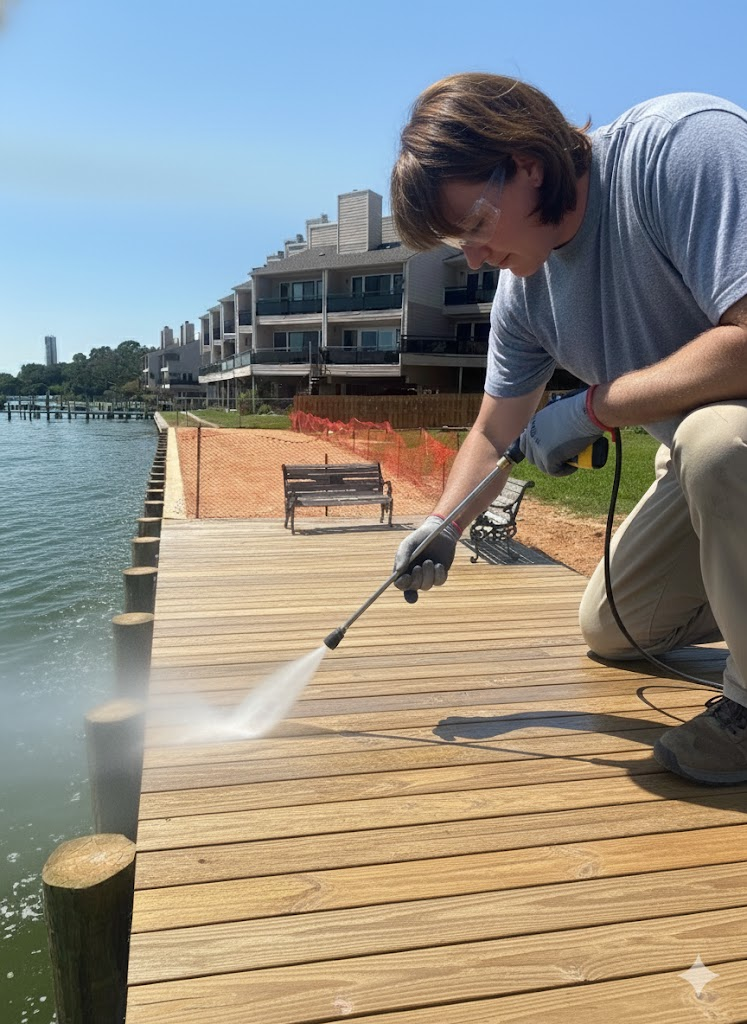
For metal components, apply an anti-corrosion spray or protective coating to prevent rust. Wooden docks benefit from water-repellent sealers that block moisture penetration during the cooler, wetter months.
Step 3: Secure Loose Components
Winter storms and high winds can cause loose boards or floating docks to shift. Check that all fasteners, cleats, ladders, and bumpers are properly tightened. Replace any corroded or broken hardware immediately.
If you have a floating dock, ensure the anchors are firmly in place and the cables or chains are free of wear. A shifting dock can lead to uneven stress on your pilings, increasing the risk of long-term damage.
Step 4: Protect Electrical Systems and Accessories
Any electrical outlets, boat lifts, or lighting systems near the water should be inspected and weatherproofed. Unplug and cover exposed electrical components, and check for frayed wires or water intrusion. If you use a boat lift, lubricate all moving parts and test the lift’s motor for proper operation.

For safety, hire a licensed marine electrician to ensure all systems meet current electrical codes and are protected against moisture and corrosion.
Step 5: Monitor Water Levels and Adjust Dock Height
During the Texas winter, water levels can fluctuate significantly due to storm surges or tides. If your dock is adjustable, raise or lower it accordingly to accommodate these seasonal changes. Floating docks should also be checked to ensure they can rise and fall smoothly with the tide.
Regular monitoring can prevent unnecessary strain on the structure and avoid damage caused by high water or debris.
Step 6: Check for Erosion Around the Dock and Pilings
Coastal erosion is a year-round concern, but winter storms can accelerate it. Inspect the shoreline around your dock and piling for signs of soil loss or undermining. Consider installing riprap or geotextile tubes to protect against erosion and stabilize the area.
According to the Texas General Land Office, erosion control is one of the most effective long-term strategies for protecting waterfront properties. Pairing erosion control with regular maintenance helps ensure your dock remains secure year-round.
Step 7: Store Equipment Properly
Remove and store any items that don’t need to remain outdoors during the off-season. This includes fenders, hoses, furniture, and small watercraft. Keeping these items indoors prevents weather damage and extends their lifespan.
If you store boats in the water, ensure they are properly covered and secured to prevent damage from wind or shifting tides. A U.S. Army Corps of Engineers guide recommends using durable, UV-resistant covers for long-term outdoor storage.
Step 8: Schedule Professional Maintenance
Even with regular upkeep, some maintenance tasks are best left to professionals. Schedule a comprehensive inspection and service with a trusted marine construction company. Experienced builders and engineers can identify hidden structural issues and recommend cost-effective repair or replacement options.

At TXMPD, our team specializes in:
- Pier and dock construction
- Boathouse design and building
- Bulkheads and erosion control systems
- Marine and land pile driving
- Dredging and shoreline reinforcement
- Geo tubes and riprap installations
Step 9: Keep a Seasonal Maintenance Log
Document your winterization process to make spring maintenance easier. Record any repairs completed, products used, and inspection dates. A maintenance log not only helps track the health of your dock but can also support insurance claims or property valuations in the future.
You can also review resources from BoatUS Foundation for additional winterization best practices, especially if your dock is used for commercial or residential purposes.
Conclusion: Protect Your Investment This Winter
Preparing your dock and piling for the Texas off-season doesn’t just preserve your structure—it protects your entire waterfront investment. Regular inspections, cleaning, and preventive maintenance go a long way in ensuring your dock remains safe, stable, and ready for the next season.
If you’ve noticed damage or need professional help winterizing your dock, contact the experts at Texas Marine Pile Drivers (TXMPD). We specialize in piers and docks, boathouses, bulkheads, marine and land pile driving, dredging, erosion control, Geo tubes, and RipRap. Our experienced team of architects, engineers, and builders has the expertise to handle projects of any size with precision and quality.
👉 Ready to protect your dock for winter? Contact us today to schedule a professional inspection and winterization service.